
HIP DYSPLASIA IN DOGS (AND CATS)
Hip dysplasia in dogs and cats — causes, diagnosis and treatment
Hip dysplasia is a relatively common orthopedic disease in dogs and, although rarer, also occurs in cats. It can lead to pain, movement restrictions and, in the long term, osteoarthritis. It is important for pet owners to understand how the disease develops, how it is diagnosed and what treatment options are available.
What is hip dysplasia?
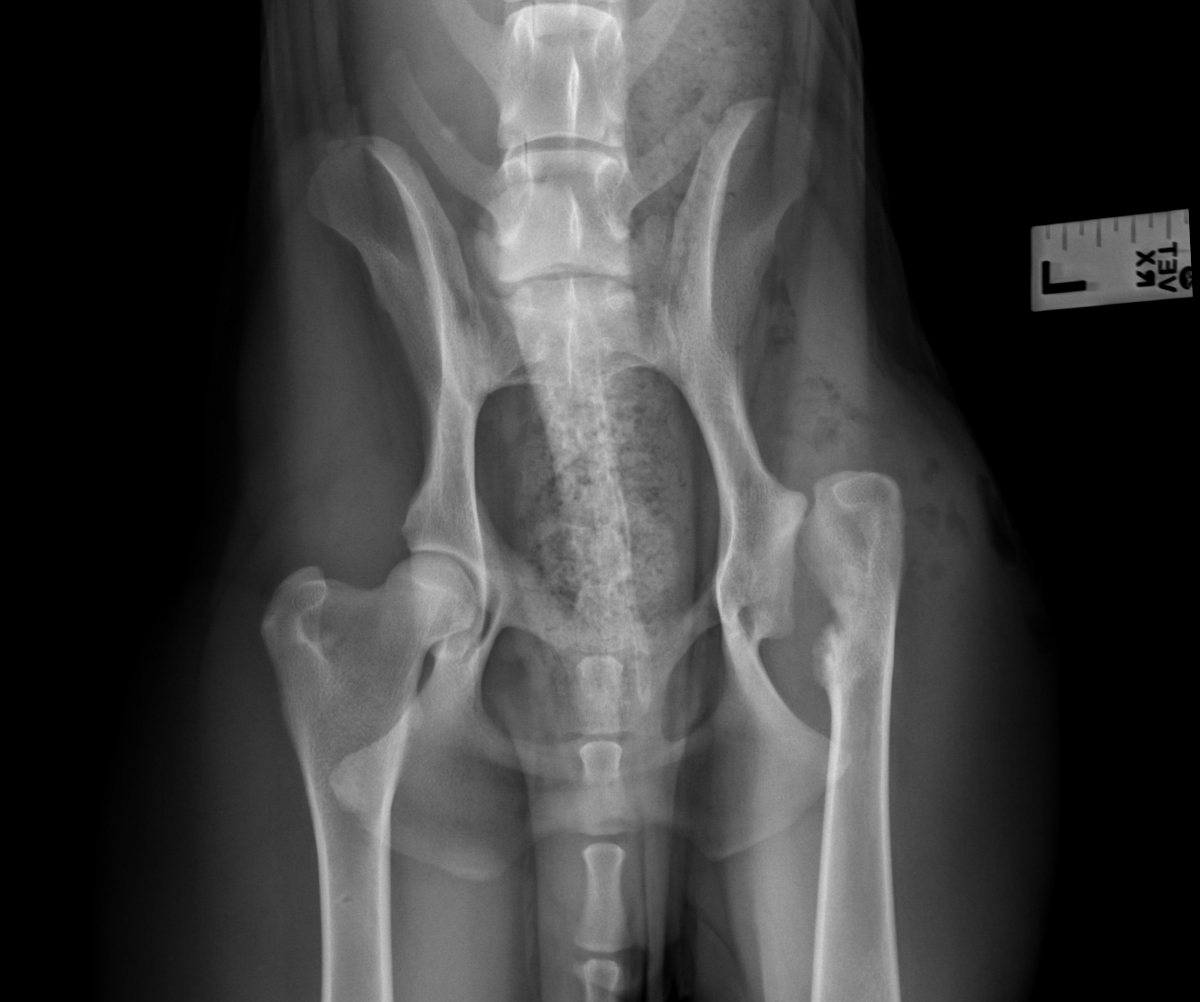
Hip dysplasia is a maldevelopment or malformation of the hip joint. The femur head does not fit perfectly into the hip socket. This instability results in uneven stress on the joint, which causes inflammation and joint wear and osteoarthritis over time (Smith et al., 2012).
Causes of hip dysplasia
👉 Genetic factors: Hip dysplasia is highly genetic, particularly in medium-sized and large dog breeds such as German Shepherd, Labrador Retriever or Golden Retriever (Ginja et al., 2015). A genetic predisposition is also being discussed in cats, particularly in Maine Coons (Keller et al., 2018).
👉 Environmental and growth factors: In addition to predisposition, other factors influence the development of the disease:
• rapid growth in young dogs
• overweight
• incorrect or excessive load during the growth phase
• unbalanced diet
These factors may increase the severity of hip dysplasia (Smith et al., 2012).
What are the symptoms of affected animals?
The signs can be very diverse and depend on the degree of severity:
- Difficulty standing up or lying down
- Lameness of the hind limbs
- Reduced desire to move
- “hare hopping” while running (especially with dogs)
- Pain during hip movements
In cats, the symptoms are often more subtle and are expressed, for example, by reduced jumping or increased resting (Keller et al., 2018).
How is hip dysplasia diagnosed?
- Clinical examination: The veterinarian assesses gait, mobility and pain reactions of the hip joints. Special tests may indicate joint instability (Ginja et al., 2015).
- X-ray examination: X-ray diagnosis is the gold standard for diagnosing hip dysplasia. It makes it possible to assess joint shape, joint fit and existing osteoarthritis. Sedation is often necessary for in order to obtain good quality hip radiographs(Thrall, 2018). In some breeds, hip examinations are mandatory for breeding.
Treatment options
The treatment depends on the age, severity of the disease and the symptoms of the animal.
- Conservative (non-surgical) therapy
This is particularly useful for mild to moderate cases: weight management, adjusted exercise (e.g. controlled walks, swimming), pain and inflammation medications, physiotherapy, nutritional supplements for joint support. Some studies show that consistent conservative therapy can significantly improve the quality of life (Johnston, 2017).
- Surgical treatment
In severe cases or young animals with pronounced instability, surgical procedures may be useful, for example: pelvic osteotomies, FHO - osteotomy of the femoral head and neck, THP - total hip replacement (artificial hip joint)
Conclusion
Hip dysplasia is a common but well-researched disease in dogs and cats. Thanks to modern diagnostics and a wide range of treatment options, many affected animals can now lead pain-free and active lives. Early diagnosis and individualized therapy are crucial here.
If you notice signs of movement problems in your animal, talk to your vet early on. Some dog breeds are more affected by hip dysplasia than others, as are some cat breeds.
References:
1. Smith GK et al. Pathogenesis, Diagnosis, and Control of Canine Hip Dysplasia. Veterinary Clinics of North America: Small Animal Practice, 2012.
2. Ginja MM et al. Diagnosis, genetic control and preventive management of canine hip dysplasia. Veterinary Journal, 2015.
3. Keller GG et al. Hip dysplasia in cats: prevalence and clinical features. Journal of Feline Medicine and Surgery, 2018.
4. Johnston SA. Conservative Management of Hip Dysplasia. Veterinary Clinics of North America: Small Animal Practice, 2017.
5. Bergh MS et al. Total hip replacement in dogs: Outcomes and Complications. Veterinary Surgery, 2014.
6. Thrall EN. Textbook of Veterinary Diagnostic Radiology. 7th edition, Elsevier, 2018.
Explore Related Blogs

ARE X-RAYS DANGEROUS?

CT SCANS IN AWAKE/CONSCIOUS PATIENTS


